

I finally got a new tattoo. My first one is small, hidden.
Meaningful for sure, but not visible, and, at 14 years old, faded. Sometimes I forget I even have it. My second tattoo? It's the size of my hand. I went big.
It's a compass star, hugged by a crescent moon with a scrolled banner that reads "Not All Those Who Wander Are Lost," a stanza from J.R.R. Tolkien's poem about Aragorn, the ranger who became king. I’ve wanted this tattoo since I read the stories decades ago, but I never gave myself the time to really think about it or bring the idea and design to fruition.
But it’s 2026, and my mantra is 'First Things First.


Getting tattooed is a commitment. Once the needle starts humming and inking, you’re in it. You chose this, and now it's permanent, etched into your skin, whether it turns out exactly as you imagined or not. But you move forward because going back isn't an option. Change is.
America has several bad tattoos. A country with brutality inked across its chest, its hands stained with blood it refuses to wash:
Native Americans slaughtered for their land—99% of tribal lands lost
Mexicans were dispossessed when the U.S. redrew borders around them in 1848
Slave patrols hunting Black people who were already free, destroying their freedom papers
The kidnapping and re-enslavement of freedmen
Banning the immigration of Chinese laborers and denying them citizenship in the U.S. in 1882
Japanese families caged during World War II, while the U.S. bombed civilians overseas
The napalm America dropped on Vietnamese children.
The "collateral damage" the U.S. rained on Iraqi and Afghan families.
The systemic cruelty that runs from pre-Civil War brutality straight through mass incarceration's 2.3 million bodies locked in cages today.
It’s all there: generations of violence, trauma, and forced inequity, and the harm inflicted on so many, here and abroad—harm this country continues to pretend it cannot see, or isn’t responsible for.
We're witnessing it continue in real time. On the morning of January 7, 2026, an Immigration and Customs Enforcement (ICE) agent fatally shot 37‑year‑old Renee Good three times on a south Minneapolis street during a chaotic federal immigration enforcement operation, not far from the intersection where George Floyd was murdered by local police in 2020.
A militarized force being deployed on American streets isn't hypothetical anymore; it's happening.
Dr. Martin Luther King, Jr., said it best: "Nothing in the world is more dangerous than sincere ignorance or conscientious stupidity"(King, Strength to Love, 1963).

The abhorrent power of the photograph of a 5-year-old held by ICE | The Washington Post | (Ali Daniels/AP)
ICE and Customs and Border Patrol agents are either choosing to be monsters—using children as leverage to force mothers from their homes for arrest, even those with asylum—or truly believe they're doing the right thing.
Either is awful. Both are deadly.
The parallels to Nazi Germany aren't hyperbolic; they're historical.
This is what happens when a nation refuses to reckon with the harm it's already committed, and instead doubles down on moving on. It’s like copying someone else’s terrible tattoo and not bothering to look at their own scars.
@ashleytheebarroness People reach for the Gestapo comparison because it sounds extreme and foreign. It lets white Americans pretend this kind of policing came ... See more
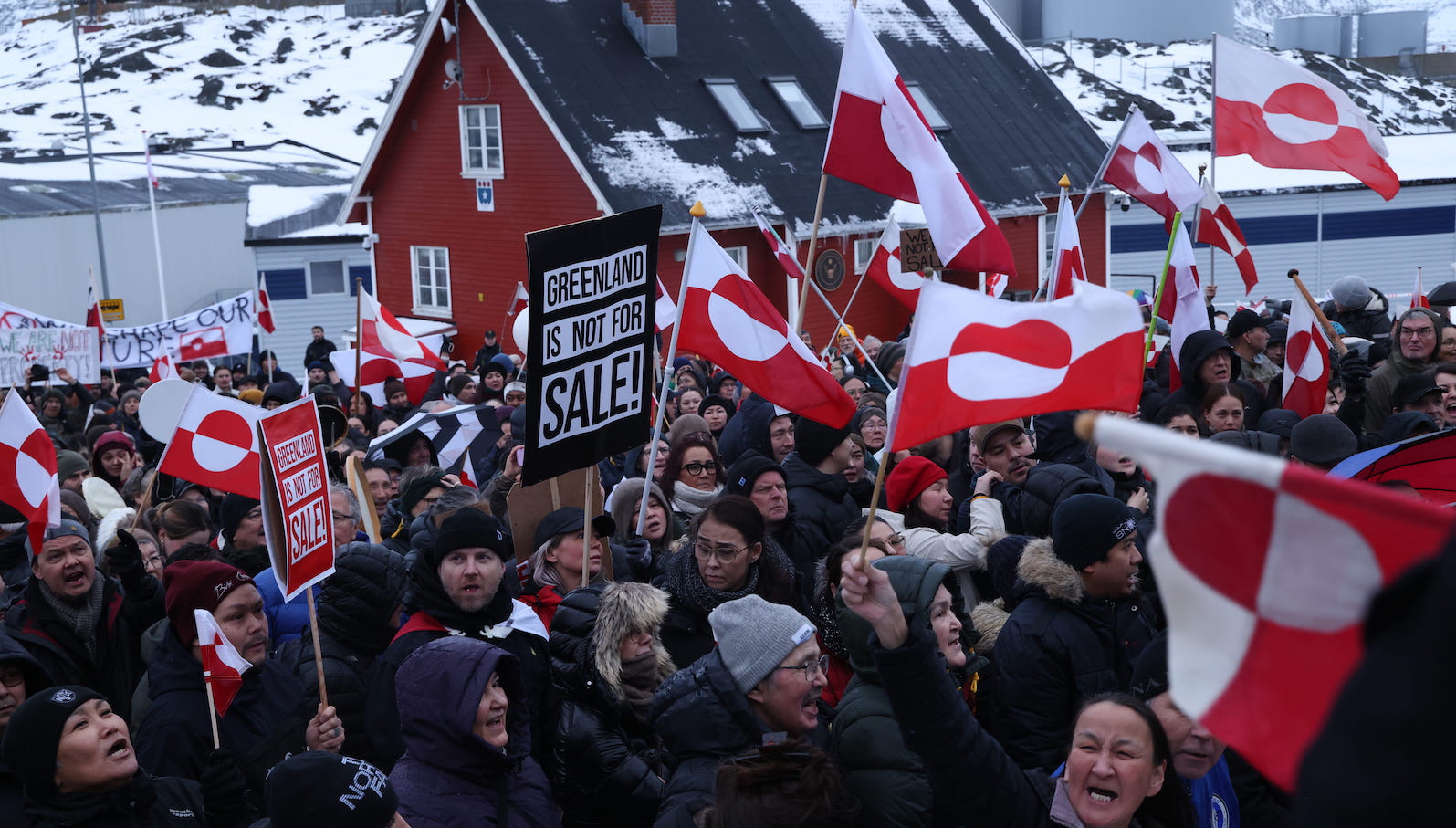
And it's not just Minneapolis. The White House is manufacturing a fake geopolitical emergency to justify snatching up Greenland, threatening the sovereignty and lives of Indigenous Greenlanders and the fabric of global security, i.e., the North Atlantic Treaty Organization (NATO).

I can’t help but notice how the compass on my arm looks a lot like NATO's symbol, which feels grimly appropriate.
The compass rose symbolizes the path towards peace. Wayfinding – true wayfinding – requires knowing why you're moving in the first place.
Conquest isn't direction. It's just violence with a map.
But here's what gives me hope: Monday was Martin Luther King Jr. Day, and about two dozen Buddhist monks are walking for unity and peace from Texas to Washington, DC. right now, a 2,300-mile journey in just about four months’ time.
Dr. King understood that walking—many would argue marching—mattered, that peace is powerful, and silence is deadly.
Tattoo enthusiasts turn their bodies into art to shout to the world what’s important to them.
The monks understand this, too. By the grace of the Gods, old and new, their journey included Pittsboro, just a short drive away for me. So I went.
The Enlightened Wanderers
@curious.scout Bless the Buddhist Monks arriving in Pittsboro, NC today 1/22. An absolute gift to see them (and Aloka!! 🐶) on their journey in real life ... See more
I think they chose the Deep South not because it's warmer or easier (well, not this week), but because this region is soaked in the blood and pain of anti-Black and Indigenous brutality, antisemitism, and anti-queer degradation.
Fear, anger, and greed built the infrastructure of terror here. This region isn't an exception to America's violence; it's the blueprint.
If those forces shaped this place, then maybe intentional peace can remold it.

The monks walking east to their rest location along Route 64 in Pittsboro, NC. January 22, 2026. Photo by Dr. DeDe Townes.
The monks aren't lost. They're wandering with purpose, taking steady, reserved steps through a landscape whose historical trauma is buried deep beneath the surface, blessing it with something sacred, revered.
Their Walk for Peace reminds me that even the smallest, most unsuspecting or humble person, action or word can change the course of the world. We don't have to know exactly where we're going to start, but we shouldn’t ignore the steps we took to get here or step on people to get to where we’re headed.
My tattoo is a reminder: commitment without purpose is pointless. Direction without intention is chaos. America's bad tattoos are showing, and the harm it’s inflicted is coming back around on us, without regard for the past, the present or the future it ruins.
But we get to choose—every single day—whether we keep tattooing hate onto this country's face, or forge a new path built on reflection, compassion, and reparation.
Subscribe to The Curious Scout today!
For those that don’t know me…I’m Diara J. Townes ~ a researcher, scientist, journalist, and new North Carolina resident.
Be sure to check out the web version for more!
The Latest for the Curious
Scout’s Screen
My digital obsession/recommendation
The B Block
Curated articles relevant to my commentary and other broad-stroke national issues.
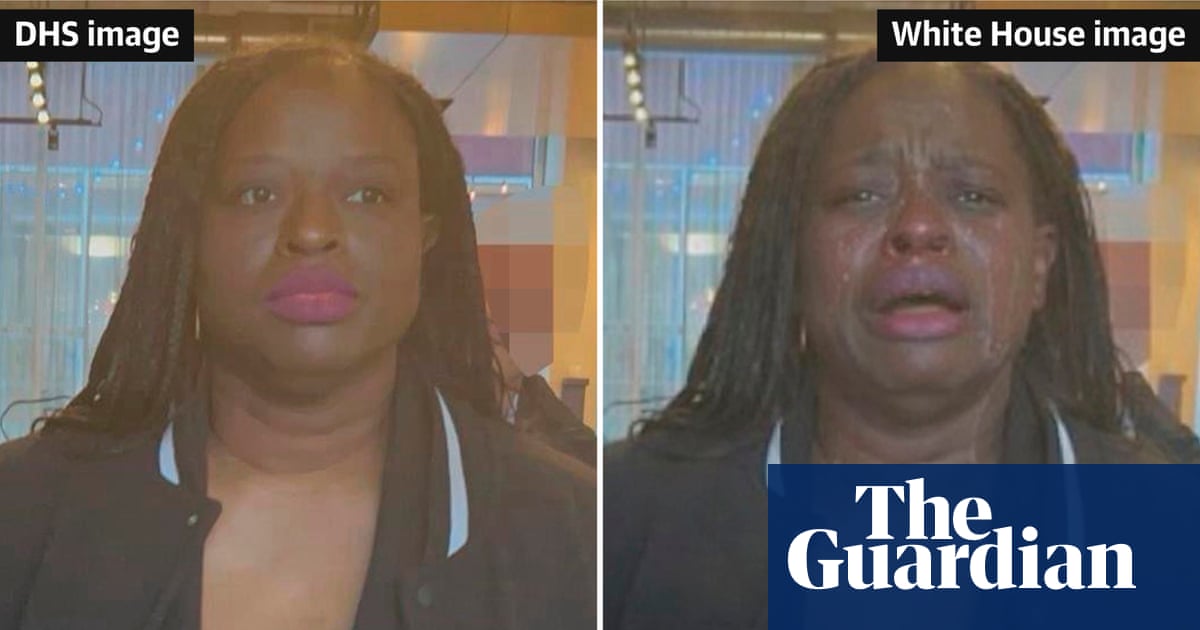
The Bulletin Board
Grants & Fellowships (Upcoming Deadlines):
Knight-Wallace Fellowship at University of Michigan | Feb. 1 (U.S.) | $85,000 stipend for eight-month fellowship | Apply here
OpenNews Scholarships+ 2026 | Feb. 2 | $250 or $500 stipends | These stipends are for attending conferences or trainings, like NICAR or NAHJ, but they're not the only option! | Apply here
Environmental and Epistemic Justice Journalism Fellowship | Feb. 15 | Wake Forest University Environmental and Epistemic Justice Initiative | Apply here (I was a 2025 fellow, so AMA!)
Fund for Investigative Journalism | Rolling deadlines | $2,500-$10,000 for investigative stories | Apply here
Conferences & Events:
NICAR 2025 | Indianapolis, IN | March 5 -8 | Register here (Early bird ends Jan. 30!)
NC News and Information Summit | North Carolina | Friday, March 27 | Register here | (Early bird tickets are $75 through January 24)
Online News Association ‘26 | Chicago Hilton | March 30 – April 1 | Register here
Society of Environmental Journalists 2026 Annual Conference | University of Chicago, IL | April 15 - 18 | (Early bird tickets end Feb. 15) | Register here
That’s all for now!
Journalism isn't just about reporting in a community; it's about listening, asking, and finding answers together.
Thanks for being here. Please share this newsletter with others who are interested in local stories, cultural commentary, and how journalism gets made.
Let’s get curious together.
Diara J., aka The Curious Scout
Disclaimer: This isn’t a Sandhills News, Rant or NC Local product—it's The Curious Scout, my personal newsletter exploring culture, politics, and moral courage through community-centered storytelling.